

eSIM vs. Fiziksel SIM: Hangisi Daha İyi?
For decades, the physical SIM card was the undisputed king of mobile connectivity. We grew accustomed to the ritual of pushing a paperclip into a tiny hole and swapping plastic chips every time we changed carriers or traveled abroad. However, with the arrival of eSIM (embedded SIM) technology, the throne is being challenged. As we look at the mobile landscape in 2026, the debate is no longer about which one works, but which one offers the flexibility and security required for a modern, digital-first lifestyle.
“Physical SIMs belong to the era of hardware; eSIM belongs to the era of software. In a world where everything is instant and on-demand, waiting for a piece of plastic to arrive in the mail is an outdated concept.”
The eSIM Advantage: Flexibility
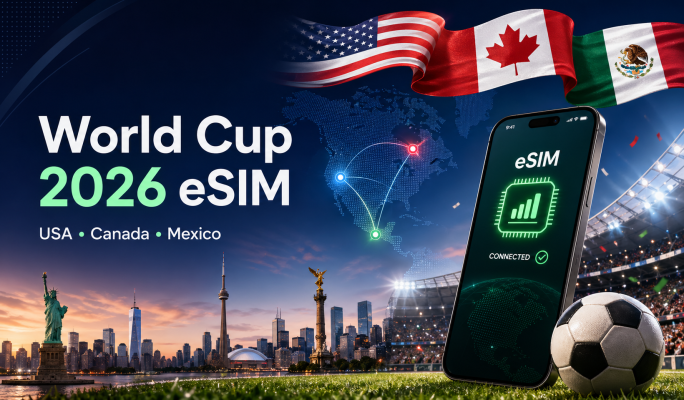
The primary winner in the "eSIM vs. Physical SIM" battle is convenience. With an eSIM, you can store multiple profiles on a single device. This means you can have your home number and an international data plan from eSIMstep active at the same time. There is no physical card to lose, no fragile tray to break, and you can switch between networks in your phone settings in seconds. For travelers and business professionals, this level of autonomy is a game-changer.
Security and Future-Proofing
From a security standpoint, eSIMs offer a significant edge. If your phone is stolen, a thief can easily pop out a physical SIM to prevent tracking or use your number for identity theft. An eSIM, however, is embedded in the motherboard and cannot be removed, making it easier to track lost devices. Furthermore, as flagships like the iPhone 17 and Samsung S26 move toward eSIM-only designs, physical SIMs are becoming obsolete. By choosing eSIMstep, you are not just choosing convenience—you are future-proofing your connectivity.